

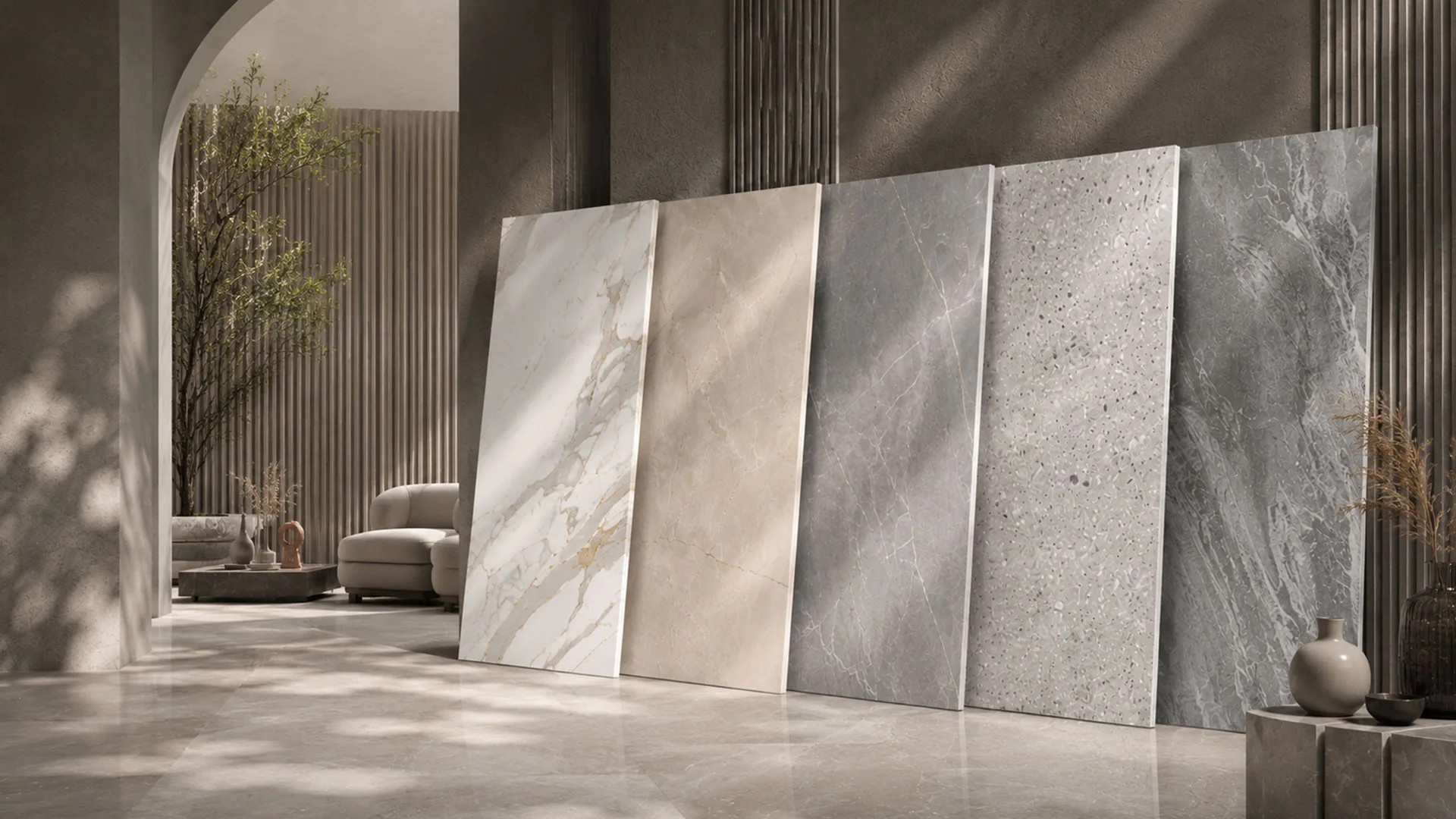
Modern architecture continues to evolve with a strong focus on aesthetics, functionality, sustainability, and efficient construction practices. As designers and architects seek innovative materials that combine visual appeal with practical performance, slim porcelain tiles have emerged as one of the most influential surface solutions in contemporary building design. Their lightweight structure, elegant appearance, and versatility make them an increasingly popular choice for residential, commercial, and hospitality projects worldwide.
The Evolution of Surface Design
Traditional surface materials often require compromises between appearance, weight, installation efficiency, and durability. Modern architecture demands solutions that not only enhance visual appeal but also improve construction processes and long-term performance.
Slim porcelain tiles address these requirements by offering a lightweight alternative without sacrificing strength or design flexibility. Their advanced manufacturing technology enables the creation of large-format surfaces that contribute to clean, seamless architectural environments while supporting contemporary design trends.
Lightweight Innovation for Modern Construction
One of the most significant advantages of slim tiles is their reduced weight compared to conventional surface materials. This lightweight characteristic provides greater flexibility during transportation, handling, and installation.
Architects often choose slim tiles for renovation and remodeling projects because they can be installed efficiently while minimizing additional structural load. This advantage is particularly valuable in high-rise buildings, commercial developments, and projects where weight management is a critical consideration.
Enhancing Contemporary Architectural Aesthetics
Modern architecture emphasizes simplicity, minimalism, and clean visual lines. Slim porcelain tiles support these principles through their refined appearance and large-format design capabilities.
The reduced thickness contributes to sleek surface transitions, creating sophisticated interiors and exteriors that align with contemporary architectural styles. Whether used in luxury residences, commercial buildings, hotels, or retail environments, slim tiles help establish a sense of elegance and visual continuity.
Versatile Applications Across Multiple Spaces
The versatility of slim tiles is one of the primary reasons for their growing popularity among architects and designers. These advanced porcelain surfaces can be used across a wide range of applications, enabling design consistency throughout a project.
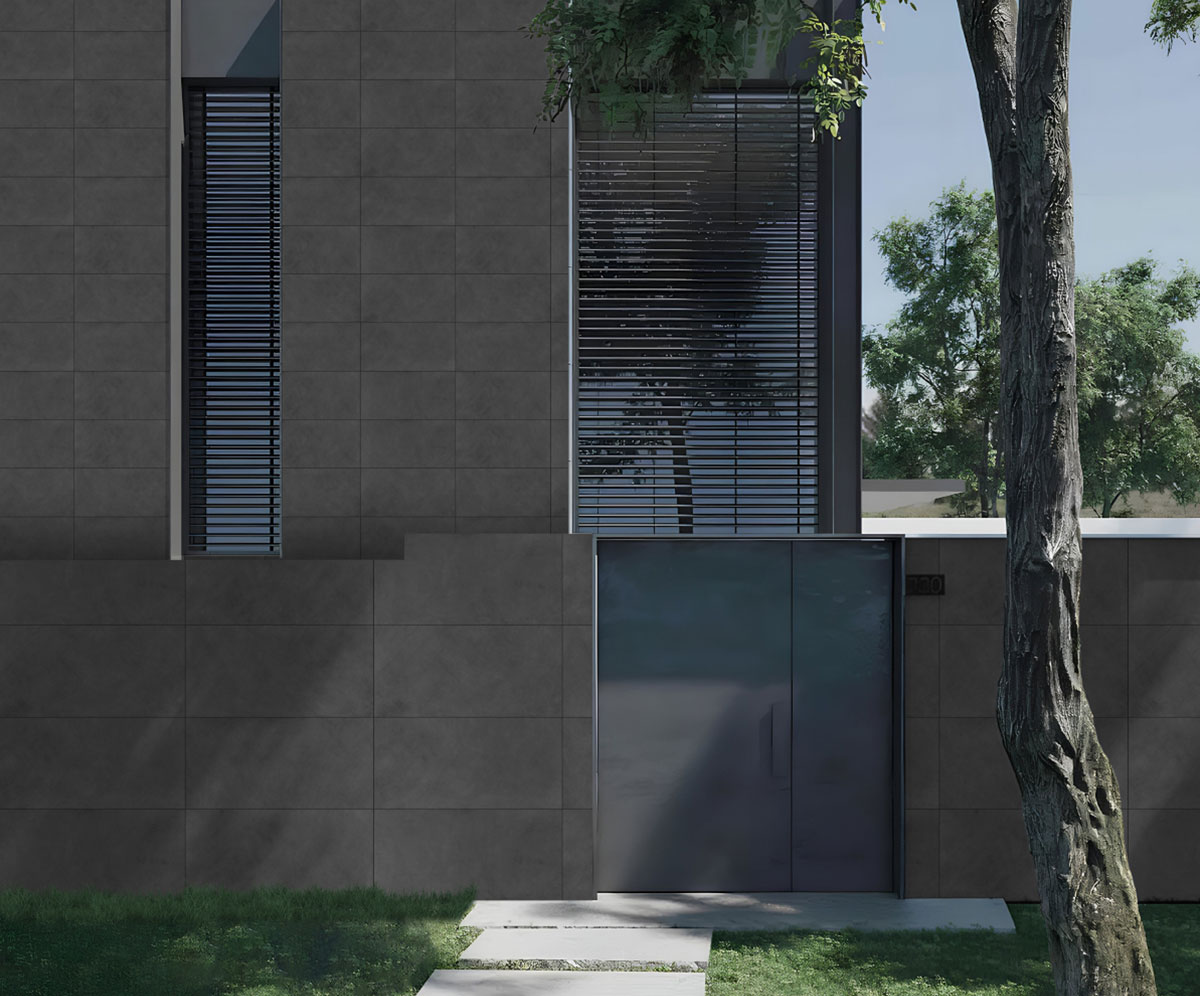
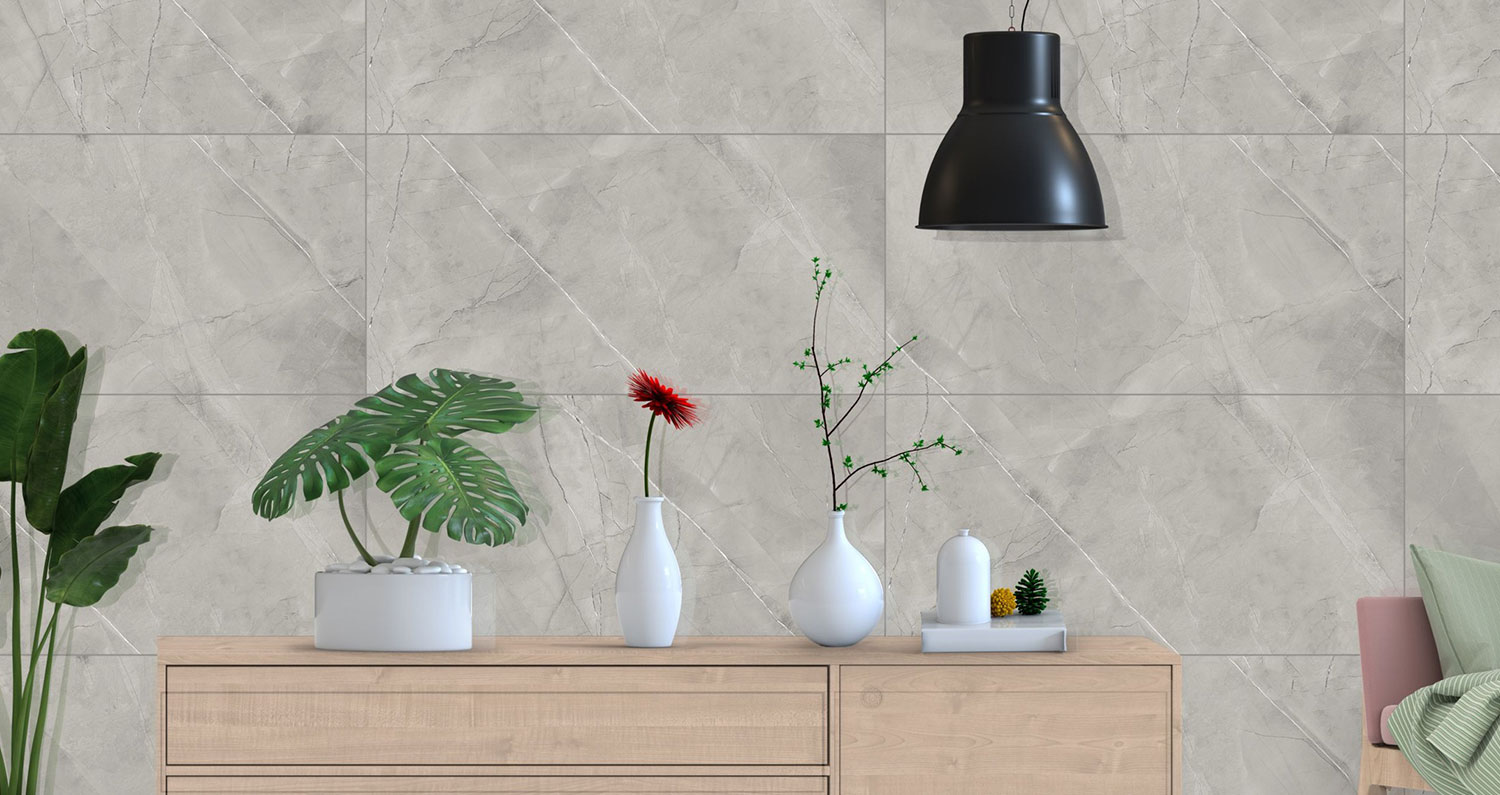
Interior walls benefit from the clean and modern appearance of slim tiles, while exterior facades gain enhanced durability and weather resistance. Commercial spaces appreciate their low maintenance requirements, and residential projects value their ability to create sophisticated living environments.
Supporting Sustainable Building Practices
Sustainability has become a central focus in modern construction. Architects and developers increasingly seek materials that contribute to environmentally responsible building practices without compromising quality or aesthetics.
Slim porcelain tiles support sustainable construction through efficient material usage, long product life cycles, and durable performance. Their lightweight structure can also contribute to transportation and handling efficiencies, helping reduce overall project impact.
Durability Meets Design Excellence
While slim tiles are engineered with reduced thickness, they continue to deliver impressive performance characteristics. Modern manufacturing processes ensure exceptional resistance to wear, moisture, environmental exposure, and everyday use.
This combination of strength and elegance makes slim tiles particularly attractive for high-traffic commercial environments as well as premium residential projects. Architects can confidently specify these surfaces knowing they will maintain their appearance and performance over time.
Conclusion
Slim porcelain tiles have transformed modern architectural design by offering an ideal balance of beauty, functionality, and innovation. Their lightweight structure, contemporary aesthetics, versatile applications, and long-lasting performance make them one of the most valuable surface solutions available today.